
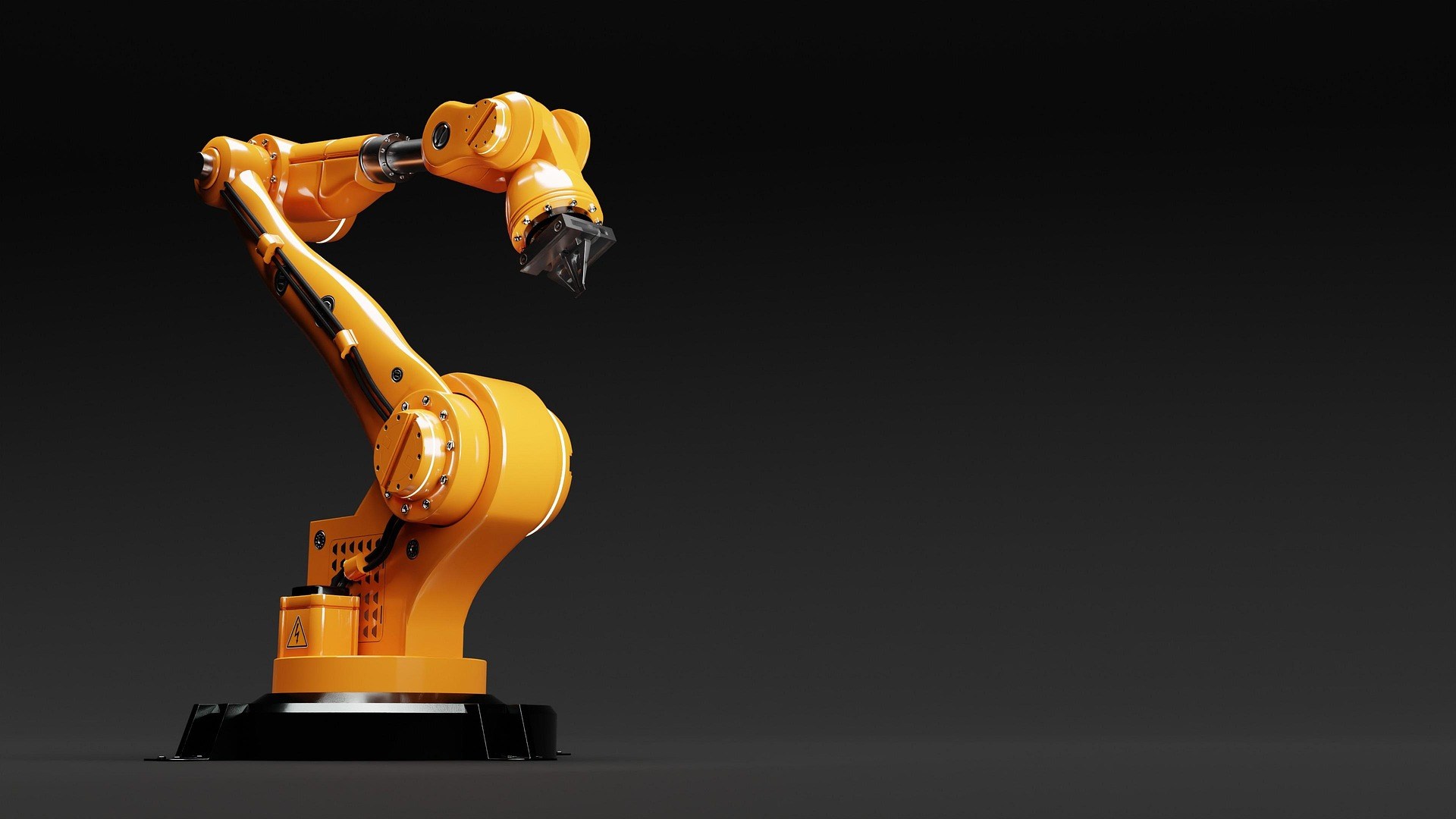
Industrial welding is rapidly evolving thanks to technological advancements and innovative research. Robotics is at the forefront of this revolution and has fundamentally changed how companies approach their operations. Businesses can leverage artificial intelligence (AI) to gain a competitive advantage. Here’s a guide on the sector’s tech-driven transformation.
Why Welders Are Turning to Robotics
Modern welding has shifted toward robotics due to significant gains in research and development. These machines can autonomously perform tasks and reduce the human parts of fabrication. While businesses don’t solely rely on robots, they can improve their operations.
The future is bright for industrial welders integrating robotics into their operations. You may see increased autonomy and expansion into new fields. From shipbuilding to spacecraft, the sector’s options are endless.
How Robotics Has Enhanced Industrial Welding
Companies worldwide are spending capital to include robotics in their operations. Here are some ways robots have transformed and benefited industrial welding practice.
Protecting Employees
Autonomous machines can take over the most dangerous jobs and improve working conditions. When businesses limit human interaction, they reduce the risk of harmful fumes and UV radiation, so automation is essential in protecting workers in these environments.
Besides environmental factors, automated tools can protect welders by allowing them to avoid awkward postures and confined spaces. You may have difficulty fabricating metal in underground mines or aerospace applications, so autonomous machines are handy in these predicaments.
Enhancing Precision
Welders can work the standard 40-hour week, but may require overtime for time-sensitive projects. New employees and seasoned professionals can become tired and lose accuracy throughout the day, so robots are essential for maintaining precision. Automated machinery can work continuously without fatigue or distractions, thus ensuring quality and uniform projects.
Welding robots are programmable to meet your desired specifications each time. You can control variables and eliminate inconsistencies from arc length to torch angle. You might not eliminate human errors, but you can get closer to perfection. Automated welders improve accuracy by using advanced sensors and laser tracking to recognize where adjustments are necessary.
Increasing Efficiency
Welders can consistently weld 12-14 inches per minute (IPM), whereas robots can operate at least 20 IPM. Supervisors can program robots and optimize speeds, meaning work gets done quicker because machines require fewer breaks.
Robotic systems enhance productivity even between welding sessions. They can reduce cycle times and efficiently switch between tasks. Employees can configure the robots to complement other equipment and systems, enhancing automation in areas like loading and unloading. While machines may need maintenance, they generally boost production compared to human labor.
Reducing Waste
Welding can produce material waste through scrap metal or defective products. For instance, an employee may have improperly cut a piece or overworked one of their projects. From empty cylinders to electrodes, the problem can become significant if unmonitored. Businesses must account for the losses. However, they can also leverage robots to mitigate the issue.
Autonomous machines use the same amount of materials for each weld, avoiding unnecessary overuse. Preprogrammed data ensures they follow the same path and avoid deviations, which can lead to expensive reworks. Companies can save time and money by making projects more efficient and spending less on filler. Robots also help with smaller details, such as minimizing the spatter that leads to post-fabrication cleanups.
Promoting Collaboration
Many worry that robots threaten to take over their jobs. However, companies can actually use robots to boost economic development worldwide and provide new employment opportunities. Automation may have gained influence in welding, but it hasn’t completely overtaken the human role. People need machines and vice versa, so collaborative robots — or cobots — have risen within the industry. Employees can work with cobots to streamline tasks and make their projects more efficient.
Cobots are critical to productivity, daily operations, and safety. These collaborative machines have force-limiting joints that detect collisions and sensors to understand when stoppage is necessary. Safety features let you work in the same welding cell while the cobot handles the arc and protects your surroundings.
Making Welding More Productive With Robots
Many businesses see the shift to robotics as necessary. Advanced technologies let robots handle the most arduous tasks and improve efficiency. As automation grows, expect higher precision, enhanced efficiency level,s and reduced costs. Businesses should weigh the pros and cons of automated metal fabrication and consider how it fits into their operations.


Leave Comment
1 Comments